
Commercial vs. Consumer Grade Exercise Equipment: What’s the difference?
If you’re in the market for exercise equipment, whether outfitting a home gym or stocking a fitness center, you’ve likely come across the terms “commercial grade” and “consumer grade.” At first glance, they might seem similar-both help you break a sweat and build strength. But dig deeper, and the differences become clear. Commercial grade gear is built for high-traffic environments like gyms and studios, while consumer grade is tailored for personal, home use. This distinction isn’t just about price; it’s about durability, features, and long-term value.
In this article, we’ll break down the key differences focusing on four main areas: quality construction, innovation, design options, and access to parts. Understanding these can help you make a smarter investment, whether you’re a fitness enthusiast or a business owner.
1. Quality Construction: Built to Last Under Pressure
One of the most significant differences lies in how these machines are constructed. Commercial grade equipment is engineered to withstand intense, continuous use-think dozens of users per day in a bustling gym setting. Manufacturers use heavier-duty materials like thicker steel frames, reinforced welds, and industrial-grade components to ensure longevity. For instance, a commercial treadmill might feature a motor rated for 24/7 operation, with belts and decks designed to handle thousands of miles without breaking down.
In contrast, consumer grade equipment is optimized for lighter, intermittent use-maybe a few hours a week in a home gym. While it’s still sturdy, it often employs lighter materials to keep costs down and make it easier to move around. This means consumer models might wear out faster if subjected to heavy daily workouts, leading to more frequent repairs or replacements.
Certain brands, like Life Fitness, have kept the majority of their manufacturing demos twice in order to control the quality and innovation of their products.
The bottom line? If your equipment will see high volume or rigorous sessions, commercial grade’s superior build quality justifies the higher upfront cost by reducing downtime and maintenance headaches.
2. Innovation: Trends Trickle Down from the Clubs
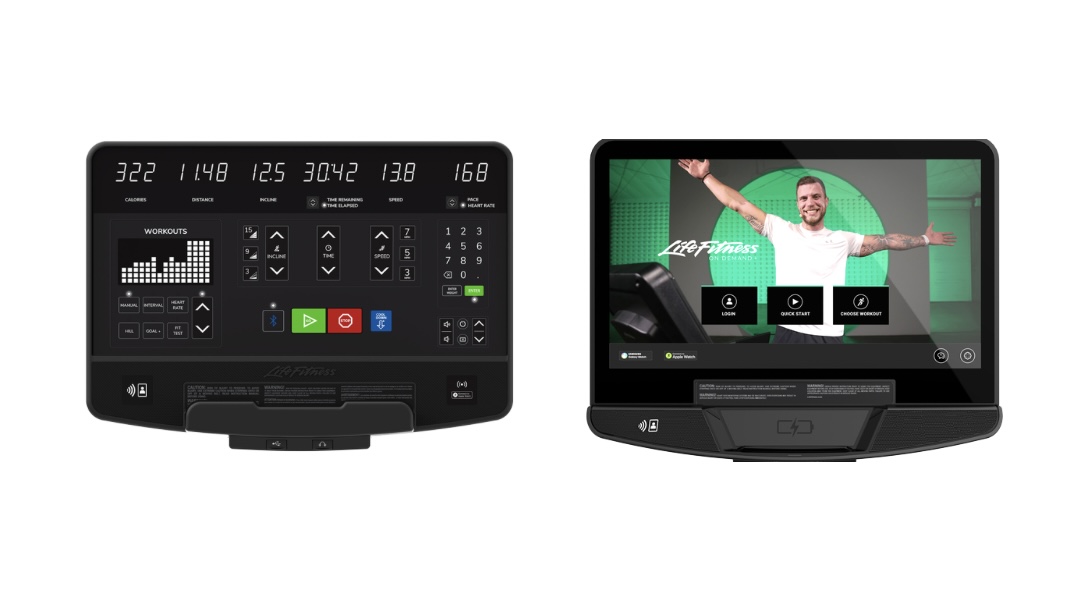
Life Fitness offers console options to help ensure the best user-experience.
Innovation in fitness equipment often originates in commercial settings before making its way to consumer products (because that’s where all the money is for manufacturers). Gyms and clubs are testing grounds for new technologies and features, where manufacturers can gather real-world feedback from professionals and high-volume users. Think about advancements like interactive touchscreens, AI-driven workout coaching, or biomechanical adjustments-these typically debut on commercial machines in fitness centers.
Once proven effective and popular in clubs, these innovations filter down to consumer models, often in simplified or more affordable versions. For example, virtual reality integration or adaptive resistance systems might first appear in high-end gym ellipticals, then show up a year or two later in home-use variants from the same brand.
This trend-driven approach means commercial equipment stays at the cutting edge, helping clubs attract members with the latest bells and whistles. For home users, it translates to eventually accessing pro-level features without the pro-level price tag-but possibly with a bit of a delay.
3. Design: Customization for Every Space and Style
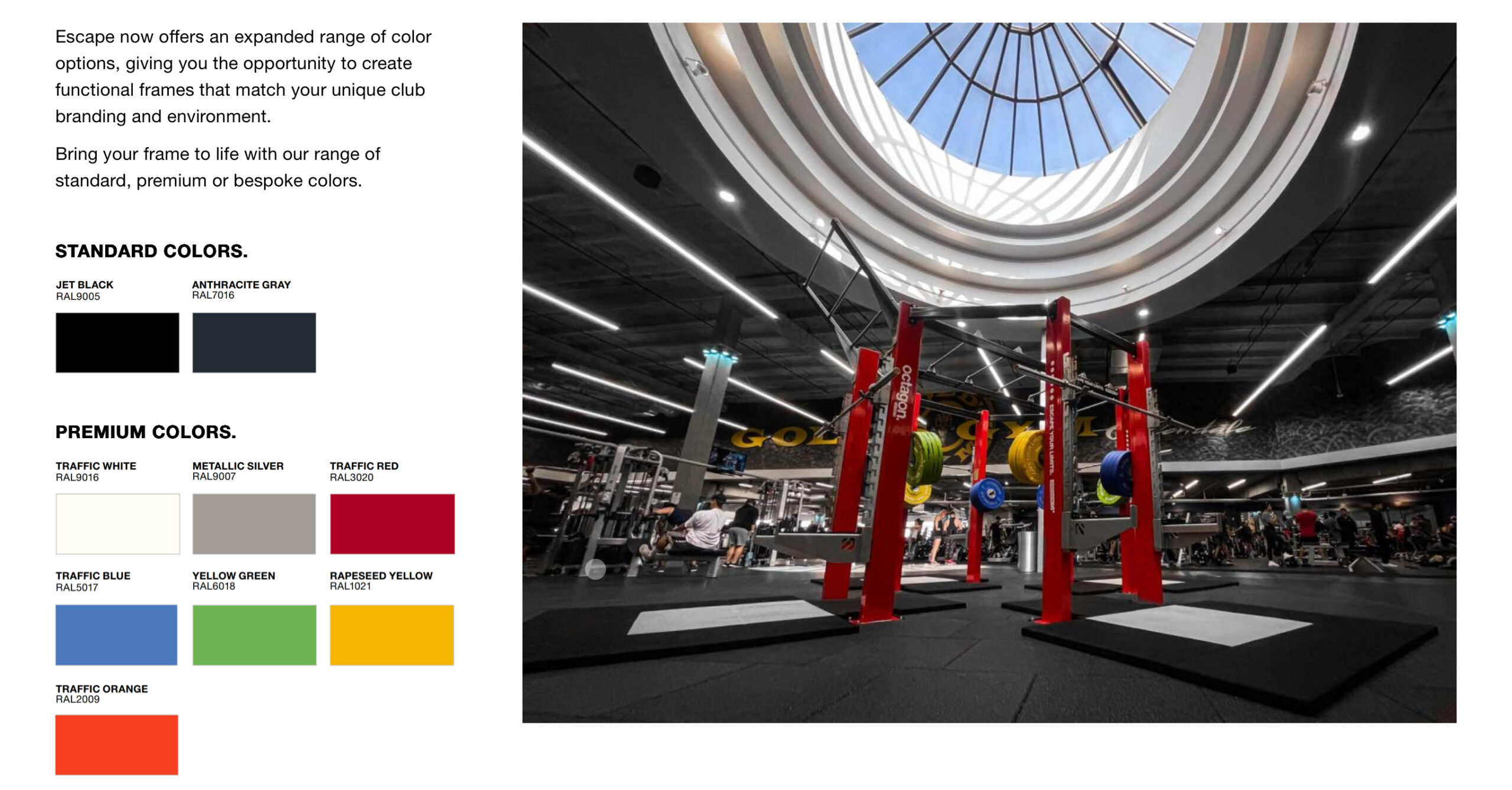
Design-friendly manufacturers, like Escape Fitness, offer frame color choices for ultimate personalization. Photo Credit- Escape Fitness
Design flexibility is another area where commercial grade shines. These machines are often customizable to fit the aesthetic and functional needs of a fitness facility. Brands offer multiple frame paint colors (from sleek black to vibrant reds) and upholstery options (durable vinyl in various hues and textures) to match a gym’s branding or decor. Additionally, technology choices abound: you might select from basic consoles for cardio tracking up to advanced ones with streaming capabilities, app integrations, and user profiles.
Consumer grade equipment, while functional, tends to come in standard configurations with limited customization. You might get a couple of color choices or console upgrades, but nothing as extensive as commercial lines. This keeps production costs low and appeals to individual buyers who prioritize simplicity over personalization.
For businesses, this design versatility ensures equipment blends seamlessly into the environment, promoting their brand and style and also enhancing the overall user experience. Home users might not need all the options, but for those who do, opting for commercial gear can provide that extra layer of tailoring.
4. Access to Parts: Quicker Fixes for Minimal Downtime
When something breaks, how quickly can you get back in action? Commercial grade manufacturers prioritize rapid parts availability because downtime in a gym means lost revenue. These brands often maintain domestic warehouses or partnerships with local suppliers, ensuring components like belts, motors, or circuit boards are accessible within days. Some even offer dedicated service teams for clubs, with parts stocked regionally for fast shipping.
Consumer grade equipment, on the other hand, might rely on overseas sourcing or smaller inventories, leading to longer wait times for replacements-sometimes weeks or months. While warranties are common, the logistics aren’t optimized for urgency, assuming home users can afford a temporary pause in their routine.
This difference is crucial for high-stakes environments but can also benefit serious home gym owners who want reliability without the hassle.
Wrapping It Up: Choosing the Right Fit for Your Needs
In summary, commercial grade exercise equipment outpaces consumer grade in quality construction for endurance, leads the way in innovation, offers superior design customization, and provides faster access to parts. It’s an investment in durability and performance, ideal for gyms, hotels, or anyone with heavy usage demands. If you’re building a space that sees a lot of action, go commercial. Happy sweating!